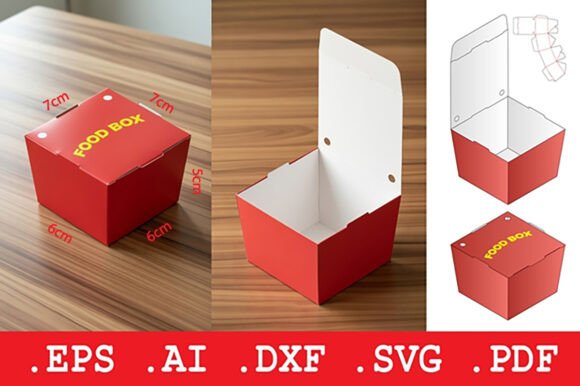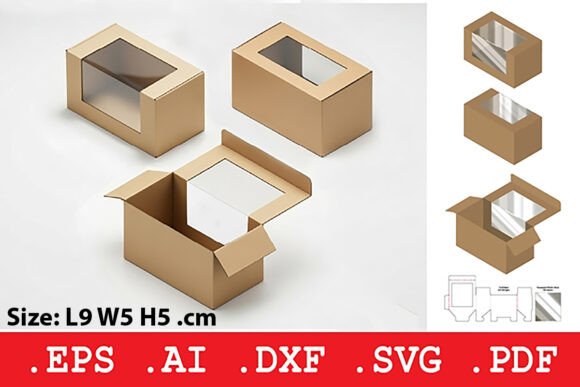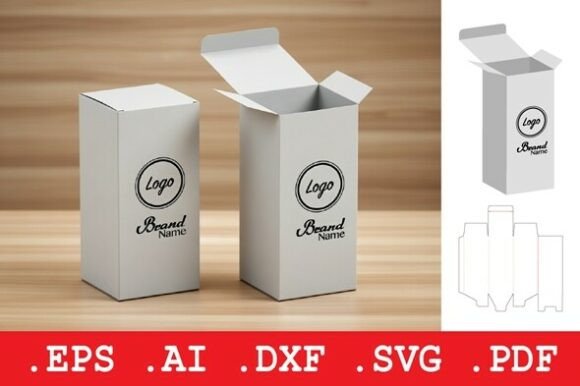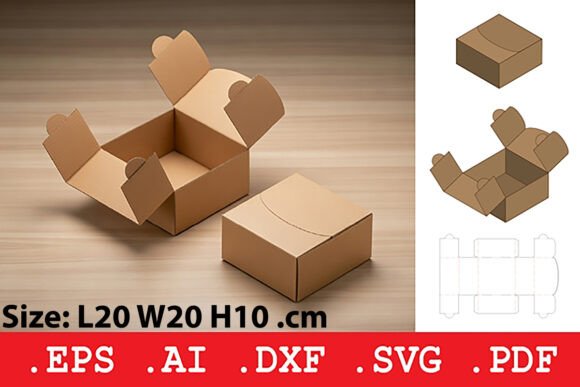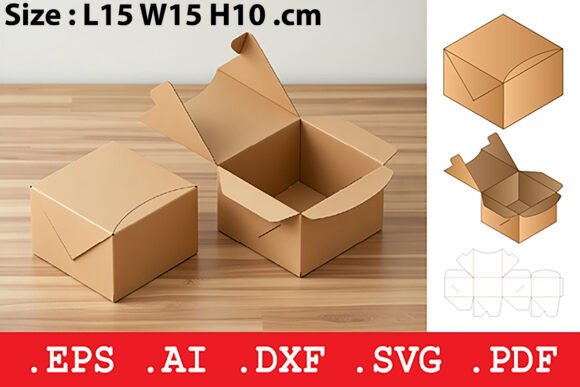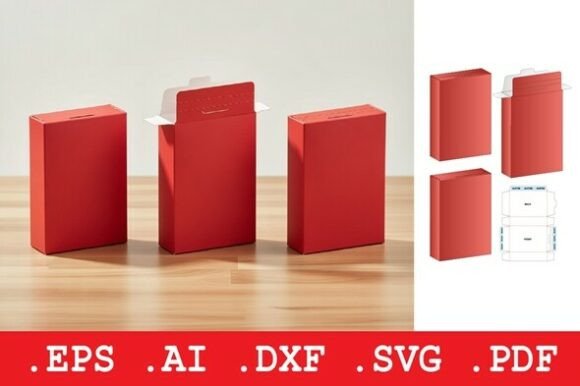
Rectangular Slot Lid Box: A Designer’s Review
As a professional embroidery designer and product reviewer, I approach every new asset with a critical eye toward real-world application. When evaluating the Rectangular Slot Lid Box, my first thought isn't just about the geometry; it is about how this sleek packaging template translates from a digital 3D SVG concept into a tangible, stitched reality. This design features a straight rectangular form with a perforated slot-in lid closure, optimized for clean assembly and a tamper-evident secure seal. While originally categorized under Objects, its potential in the embroidery space is significant for makers who understand that presentation is as important as the stitch itself.
First Impressions: Structure Meets Stitch
The visual personality of the Rectangular Slot Lid Box is undeniably modern and utilitarian. It lacks the frilly ornamentation often associated with traditional embroidery, offering instead a crisp, architectural aesthetic. For an embroidery designer, this clean layout is a breath of fresh air. The straight lines and defined edges suggest a design that will digitize beautifully, provided the vector paths are respected during conversion. The mood is professional and boutique-ready, making it ideal for creators who want their finished products to communicate quality and precision.
Unlike organic shapes that can forgive minor registration errors, this box design demands accuracy. The "slot-in lid" detail is the focal point. In a digital mockup, it looks seamless. In thread, however, it requires careful consideration of stitch density and layering. If executed correctly, it creates a tactile element that elevates a simple embroidered patch or label into a premium branding asset. It feels less like a decoration and more like a functional component of a larger handmade product ecosystem.
Real-World Application: Elevating Boutique Packaging
To truly test the viability of this machine embroidery design, I applied it to a recent client project involving a line of artisanal tea towels and matching tote bags for a local holiday market. The goal was to create a cohesive brand experience where the packaging felt as handmade as the goods inside. We used the Rectangular Slot Lid Box as a guide for creating custom embroidered tags and labels that mimicked the box’s structural integrity.
The result was striking. On the canvas tote bag design, the box outline served as a frame for the shop’s logo, utilizing a combination of running stitch for the outer perimeter and satin stitch for the slot mechanism details. This created a subtle 3D effect without the bulk of actual foam. Customers responded positively to the intentionality of the design; it signaled that the seller cared about the unboxing experience even before the physical box was opened. For Etsy sellers and small shop owners, this level of detail builds trust. It transforms a generic item into a curated gift. Whether used on custom apparel, sweatshirt embroidery near the hem, or as a standalone embroidered patch for branding, this design anchors the product in professionalism.
Navigating Technical Challenges and Fabric Choices
While the Rectangular Slot Lid Box is versatile, it is not forgiving on every surface. As an experienced reviewer, I must emphasize where caution is needed. The geometric rigidity of this design clashes with highly textured fabrics like terry cloth or loose-weave linens unless you use a heavy-duty stabilizer and perhaps a topping. The clean lines can get lost in the fabric texture, turning a sharp box into a wobbly rectangle.
Stretchy fabrics present another hurdle. If you are attempting sweatshirt embroidery or baby clothes applications, the tension required to maintain straight lines can distort the garment. In these cases, I recommend using a cut-away stabilizer and potentially reducing the stitch density slightly to prevent puckering. Dark fabrics also require testing; if the design relies on tone-on-tone shading to show the "lid" separation, you may lose that definition on black or navy material. High contrast thread colors are essential here to ensure the slot-in lid feature remains visible.
Furthermore, be mindful of hoop size limitations. Because this is a rectangular form, maximizing your hoop area is crucial to avoid excessive re-hooping, which introduces alignment risks. Always confirm that the specific embroidery file dimensions fit comfortably within your machine’s capabilities before committing to a production run. Small details, particularly around the perforated slot area, should be inspected closely. If the lettering or fine lines are too small for your needle size, they may need to be simplified in your digitizing software to prevent thread breaks or bird nesting.
The Impact on Perceived Value and Brand Consistency
In the competitive landscape of commercial embroidery and digital product sales, visual clarity equates to value. The Rectangular Slot Lid Box succeeds because it organizes information visually. When used as a framing device for text or logos, it guides the viewer’s eye and creates a sense of order. This is vital for buyer engagement. A chaotic design suggests a chaotic business; a structured design suggests reliability.
For those selling digital embroidery files or printable mockups, this asset offers excellent versatility. It serves as a neutral yet distinct container for showcasing other designs. However, consistency is key. If you adopt this box style for your brand, use it across multiple touchpoints—tags, labels, website graphics, and packaging. This repetition reinforces brand recognition. The "tamper-evident" visual cue, even when rendered in thread, subconsciously communicates safety and freshness, which is particularly valuable for food-related gifts, baby embroidery items, or cosmetic accessories.
Essential Notes for the Embroidery Professional
Before you load this embroidery file into your machine, adhere to these practical guidelines derived from hands-on testing:
- Test on Scrap Fabric First: Never assume the digital preview matches the stitch-out. Run a test on the exact fabric and stabilizer combination you intend to use for the final handmade product.
- Verify Licensing: Since this originates as a 3D SVG object, confirm whether the license permits commercial embroidery use or modification. Protect your craft business by ensuring you have the right to sell finished items featuring this design.
- Check Stitch Density: Geometric boxes can become bulletproof if over-digitized. Ensure the fill stitch allows the fabric to drape naturally, especially on apparel or lightweight tote bags.
- Evaluate Thread Contrast: Test the design in both black-and-white and full-color mockups. Ensure the critical "slot" detail reads clearly at a glance, regardless of the background color.
- Inspect Corner Details: Sharp corners in embroidery can pull up. Check if the digitizer has implemented proper tie-ins and tie-offs to prevent unraveling after washing.
- Consider Washability: If applying this to kitchen towels or baby items, verify that the stitch type can withstand frequent laundering. Satin stitches may snag; consider a tapered satin or bean stitch for durability.
The Rectangular Slot Lid Box is more than just a shape; it is a strategic tool for makers who view embroidery as an extension of product design. By respecting its structural nature and adapting it thoughtfully to your chosen medium, you can create personalized gifts and commercial products that stand out for their polish and purpose. Always prioritize technical verification over speed, and let the clean lines of this design elevate your next embroidery project from homemade to professionally crafted.