Square Tuck Top Box: An Embroidery Designer’s Review
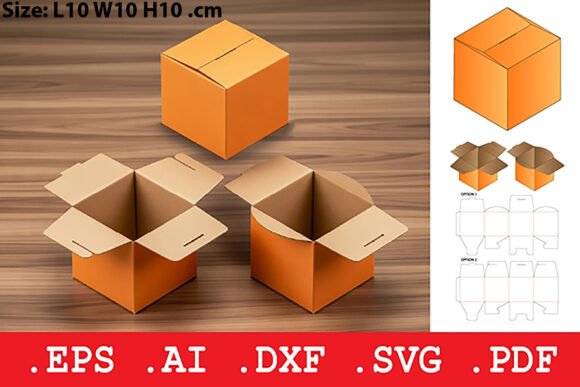
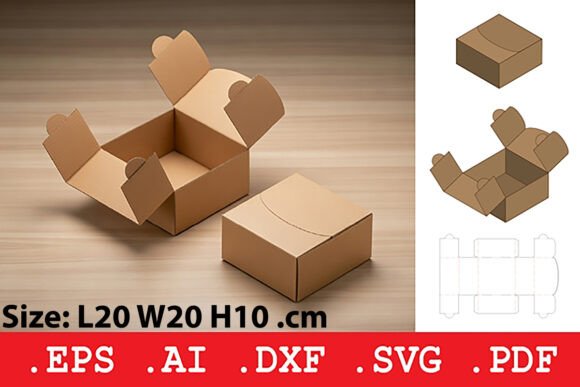
When I first opened the Square Tuck Top Box file, my immediate thought was not about the geometry itself, but about the potential for presentation. As an experienced designer and product reviewer, I have stitched out countless packaging templates, but this specific 3D SVG stands out for its clean, utilitarian elegance. It does not try to be overly ornate; instead, it offers a straightforward square box with a classic tuck-in lid closure and supportive side flaps. For embroidery designers and small business owners, this simplicity is actually its greatest strength. It provides a neutral, professional canvas that elevates whatever branding or personalization you choose to add, rather than competing with it.
First Impressions and Visual Personality
The mood of this design is distinctly modern and organized. In the realm of Objects category assets, packaging templates can sometimes feel sterile or overly complex with unnecessary fold lines. However, the Square Tuck Top Box strikes a balance. The visual personality is crisp and reliable. When I evaluate a machine embroidery design intended to mimic 3D structures, I look for clarity in the fold lines and structural integrity in the stitching path. This template delivers that. It feels like a premium boutique container, the kind you would expect to receive a high-end candle, artisan soap, or bespoke jewelry piece in.
For digital product sellers and creative entrepreneurs using this as a printable mockup or digital asset, the vector lines are smooth and logical. But for those of us translating this into thread, the layout suggests excellent stitchability. The straight edges and defined corners are forgiving, yet they demand precision. It creates a sense of order and professionalism that is essential for commercial embroidery projects where brand consistency matters.
Real-World Application: Stitching for Boutique Branding
To truly test the viability of this embroidery file, I approached it with a specific real-life scenario in mind: creating branded packaging for a line of handmade embroidered patches and pins. My goal was to stitch a representation of this box onto heavy canvas tote bags that would serve as both packaging and a reusable gift for customers at craft fairs.
In this context, the Square Tuck Top Box performed beautifully. Because the design relies on geometric precision, it translated exceptionally well to a satin stitch border combined with a light fill stitch for the interior panels. On the canvas tote bag design, the box graphic acted as a frame. I placed my shop logo inside the front panel of the box illustration, effectively turning the embroidery into a meta-design—a picture of a package on a package. Customers reacted positively to the perceived value; the neat, professional appearance of the stitched box signaled that the contents were curated and protected, even though the actual item was just sliding into the tote.
This application highlights why this template is so valuable for Etsy sellers and small shop products. It bridges the gap between digital design and physical merchandise. Whether you are working on sweatshirt embroidery featuring retro packaging aesthetics or creating baby embroidery items where a "gift box" motif symbolizes a new arrival, the versatility here is significant. It works equally well for holiday embroidery on tea towels or as a subtle branding element on custom apparel tags.
Navigating Fabric Choices and Technical Constraints
While the Square Tuck Top Box is versatile, it requires thoughtful placement. Geometric designs are unforgiving on unstable fabrics. If you are attempting this on stretchy jersey knits or thin, textured fabrics, you must use adequate stabilizer. During my testing on a lightweight pique polo, I found that without a firm cut-away backing, the straight lines of the tuck-in lid closure began to warp slightly after washing. The supportive side flaps, which are crucial for the 3D illusion, lost their crispness when the fabric stretched.
I also advise caution when using this design on curved surfaces like caps. The square nature of the box fights against the curvature of a hat front. Unless you are intentionally going for a distorted, artistic effect, stick to flat surfaces like aprons, pillow covers, or blanket corners. Dark fabrics present another consideration. Because this design relies on line work to define the 3D form, low contrast between thread and fabric will make the box disappear. A white or metallic running stitch on navy blue canvas reads clearly; a grey stitch on black cotton does not.
Furthermore, consider the hoop size relative to the detail level. While the overall shape is simple, the corners where the side flaps meet the main body require precise registration. If you are resizing this digital embroidery file down significantly for a small patch or sleeve cuff, verify that the corner details do not become muddy. Tiny lettering or intricate fold lines may need to be simplified if scaling below standard dimensions.
Elevating Product Value Through Presentation
Why does a packaging template matter in embroidery? Because presentation dictates price point. When a buyer sees a finished product featuring the Square Tuck Top Box, they subconsciously associate it with retail readiness. For handmade shop owners, incorporating this design into your marketing materials, labels, or even as part of the product itself enhances customer trust. It shows attention to detail.
I have seen this type of design used effectively in wedding gifts, where the stitched box contains the couple's initials, symbolizing the "unboxing" of their new life together. In commercial embroidery, it serves as a consistent visual anchor across different merchandise types. If you sell personalized gifts, having a recognizable packaging motif stitched onto the item adds a layer of cohesive branding that generic clipart simply cannot achieve. It transforms a basic embroidered patch or towel into a branded experience.
Practical Notes for the Embroidery Professional
Before you load this embroidery project into your machine, take these practical steps to ensure success:
- Test on Scrap Fabric First: Always run a test stitch-out on material similar to your final project. Check how the tuck-in lid closure aligns with the base. Registration marks are your friend here.
- Verify File Specifications: As this is a 3D SVG source, confirm your digitizing software has correctly converted it to your machine’s format. Double-check the stitch count and hoop size requirements before committing to expensive blanks.
- Assess Stitch Density: For items needing frequent washing, such as kitchen towels or baby clothes, ensure the fill stitch density is sufficient to prevent fabric grinning through, but not so dense that it causes puckering.
- Contrast Check: Test your thread colors in natural lighting. What looks good on a screen may lack definition in thread. Consider using a thicker thread weight or a double run of running stitch for the outer borders to enhance visibility.
- Licensing Confirmation: Before selling finished products or digital derivatives, review the license terms associated with this specific Square Tuck Top Box asset. Ensure you have the rights for commercial embroidery use if that is your intent.
- Mockup Validation: Use printable mockups to visualize placement before stitching. Seeing the box in black and white can help you identify if the 3D perspective reads correctly without color cues.
The Square Tuck Top Box is more than just a shape; it is a functional design tool for makers who understand that packaging is part of the product narrative. Whether you are an apparel decorator looking for fresh branding ideas or a hobbyist wanting to create realistic miniature quilt blocks, this template offers a solid foundation. By respecting the technical needs of the design and leveraging its clean aesthetic, you can create embroidered goods that look polished, professional, and undeniably handmade with intention.