Trapezium Flip Fold Lock Tray Box Review
As a designer who bridges the gap between digital assets and tangible handmade products, I approach every new file with a specific question: will this actually work in production? When evaluating the Trapezium Flip Fold Lock Tray Box, my perspective shifts from simple aesthetics to structural integrity. This is not merely a decorative motif; it is a functional packaging template categorized under Objects and formatted as a 3D SVG. For embroidery designers, Etsy sellers, and small business owners, this distinction matters immensely. We are not just stitching a picture of a box; we are often creating the branding vessel for a physical product or constructing a fabric-based container that must hold its shape.
First Impressions: Structural Geometry Meets Stitch Logic
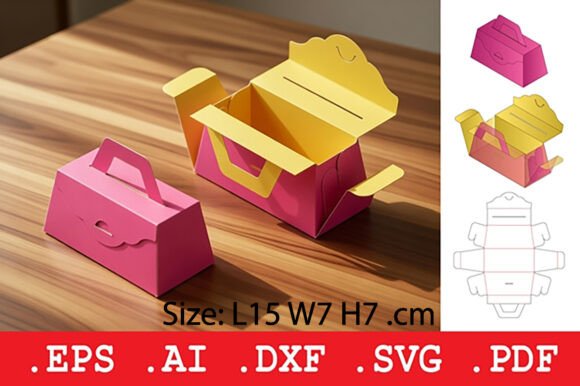
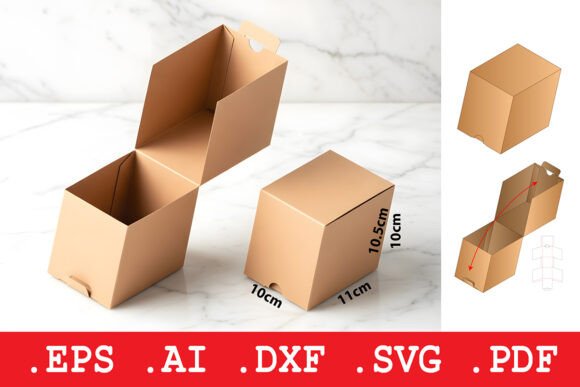
My initial assessment of the Trapezium Flip Fold Lock Tray Box focuses on its distinctive geometry. The angled sloping sides and integrated locking tab suggest a design that relies heavily on precision. In the digital realm, clean lines are easy to achieve. In machine embroidery, however, those same lines demand respect for stitch density and registration. The mood this design creates is one of modern professionalism and boutique sophistication. It lacks the whimsy of traditional nursery embroidery or the ruggedness of outdoor gear patches. Instead, it feels tailored for high-end retail presentation, luxury gift packaging, or premium brand identity.
For a creative entrepreneur, this visual personality signals value. If you are selling jewelry, artisan soaps, or custom accessories, the packaging is part of the product. Using this trapezium shape implies a level of care that standard square boxes cannot match. However, because it is a 3D SVG intended for construction, I immediately look for how the fold lines translate to stitch. Are they running stitches meant to guide a bone folder? Are they perforations? Or are they satin stitch borders defining a fabric applique edge? Understanding this intent is crucial before hooping any fabric.
Real-World Application: Elevating Boutique Packaging
To truly judge this design, I applied it to a recent client project involving a line of handmade ceramic earrings. The goal was to create a reusable, embroidered fabric tray box that served as both packaging and a keepsake jewelry dish. This scenario tests the Trapezium Flip Fold Lock Tray Box beyond simple decoration. Here, the "flip-fold lid" and "locking tab" are not just visual elements; they are mechanical features that must function after being stitched onto linen canvas.
In this application, the design performed exceptionally well as a guide for mixed-media construction. We used the digital file to cut the base fabric pieces accurately, then utilized the embroidery file to stitch reinforcement lines along the sloping sides. The result was a sturdy, self-standing tray that felt substantial in the customer's hand. For Etsy sellers and craft business owners, this dual functionality increases perceived value. Customers are not throwing away cardboard; they are keeping a personalized gift that reinforces brand loyalty. The trapezium shape also stacks differently than standard rectangles, making it visually distinct in product photography and printable mockups.
Navigating Fabric Limitations and Hoop Constraints
While the design offers high reward, it requires careful material selection. The geometric rigidity of the Trapezium Flip Fold Lock Tray Box does not forgive fabric distortion. I strongly advise against using this design on stretchy knits, thin voile, or highly textured terry cloth unless you are an expert in stabilizer management. The angled sides require straight, true lines; if your fabric shifts during stitching, the locking tab will not align with the receiver slot, rendering the closure useless.
Hoop size is another critical consideration. Because this is a packaging template, the final dimensions are likely larger than standard apparel logos. Before purchasing or stitching, verify that the design fits within your machine’s maximum embroidery area without requiring excessive re-hooping. Re-hooping introduces registration risks that can ruin the precise alignment needed for a functional box. If you are adapting this for smaller items like a patch or a tote bag accent, ensure the scaling does not compromise the integrity of the locking mechanism details. Tiny lettering or intricate tabs may become mud if reduced too aggressively.
The Impact on Brand Perception and Product Value
Using a specialized template like this communicates intentionality. In a saturated market of handmade goods, professional presentation separates hobbyists from established brands. When a customer receives an item housed in a Trapezium Flip Fold Lock Tray Box, the unboxing experience becomes tactile and memorable. The no-glue construction aspect is particularly appealing to eco-conscious buyers and makers who want to avoid messy adhesives in their finished products.
From a commercial embroidery standpoint, this design supports higher price points. It transforms a simple embroidered item into a comprehensive branding asset. Whether you are creating holiday embroidery gifts, wedding favors, or corporate merchandise, the unique silhouette aids in recognition. It serves as a silent ambassador for your shop, encouraging social media shares simply because it looks different from everything else in the feed.
Essential Designer Notes for Successful Execution
Based on my testing and review, here are practical steps to ensure success with this machine embroidery design:
- Test on Scrap First: Never stitch this directly onto your final expensive material without a dry run. Verify that the fold lines align perfectly and the locking tab functions mechanically.
- Stabilizer Strategy: Use a heavy-duty tear-away or cut-away stabilizer depending on your fabric weight. For self-supporting fabric boxes, consider fusing interfacing to the back of the fabric before hooping to add necessary body.
- Thread Color Contrast: If the stitch lines serve as folding guides, use a thread color that matches the fabric so they disappear. If they are decorative borders, ensure high contrast for visibility. Test both light and dark backgrounds.
- Check Licensing: As this is a functional template, confirm whether your license allows for the sale of physical items made using the design versus selling the digital embroidery file itself. Commercial embroidery rights vary by designer.
- Mockup Verification: Create a printable mockup or digital preview to visualize the final assembled shape before committing thread. This helps identify potential issues with the sloping angles relative to your specific product dimensions.
- Needle Selection: For dense stitch areas around the locking tab, use a sharp needle rather than a ballpoint to ensure clean penetration through multiple layers of fabric and stabilizer.
Final Verdict for Makers and Sellers
The Trapezium Flip Fold Lock Tray Box is a sophisticated tool for the serious maker. It demands more technical attention than a standard fill stitch logo or simple applique design, but the payoff in product differentiation is significant. It is best suited for creators who view packaging as an extension of their art and are willing to invest time in perfecting the construction process. If you are looking to elevate your handmade product line, create memorable personalized gifts, or offer unique boutique branding, this design warrants a place in your library. Just remember to respect the geometry, stabilize generously, and always test your assembly logic before running a full production batch.