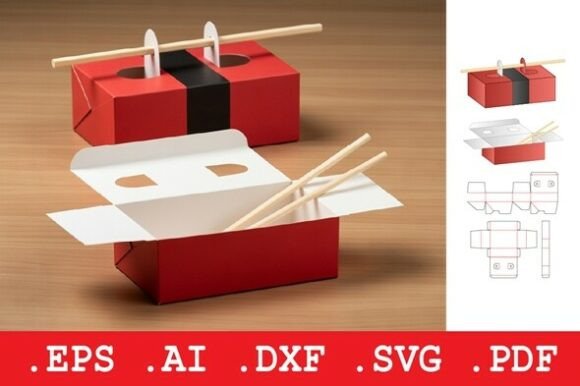
Tapered Food Carrier Chopstick Sleeve Review
As a designer who spends more time behind an embroidery machine than a computer screen, I approach every new digital asset with a healthy dose of skepticism. When I first loaded the Tapered Food Carrier Chopstick Sleeve file into my software, I wasn't just looking at lines and nodes; I was mentally stitching it out. This isn't merely a graphic of a container; it is a structural representation of a functional object that demands precision. For those of us creating custom apparel, kitchen textiles, or niche Asian-fusion merchandise, this design offers a unique aesthetic challenge. It bridges the gap between utilitarian iconography and decorative art, but only if you understand how its geometry translates from screen to fabric.
First Impressions: Geometry Meets Thread
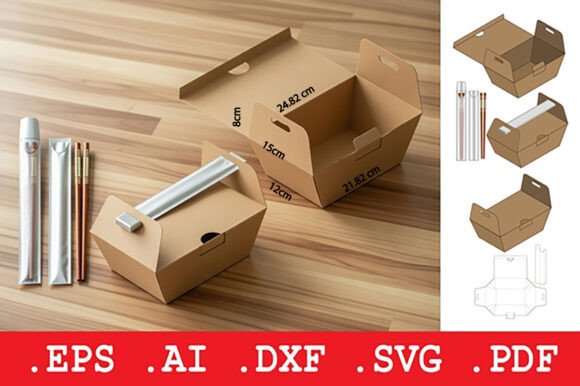
The immediate visual personality of this machine embroidery design is clean, modern, and distinctly architectural. Unlike organic floral motifs or cartoon characters that forgive minor registration errors, the Tapered Food Carrier Chopstick Sleeve relies on straight lines and specific angles to convey its form. The tapered side walls and integrated handles create a silhouette that is instantly recognizable to anyone familiar with bento culture or sustainable food transport. However, as an embroidery project, this geometric rigidity means there is zero margin for error in digitizing or hooping.
I noticed the design balances negative space effectively. In the world of Objects and 3D-style graphics, there is often a temptation to over-fill every pixel. Fortunately, this layout respects the fabric. The transition from the wide base to the narrower top provides natural anchor points for satin stitch borders without creating excessive bulk. If you are sourcing design assets for a minimalist brand or a zero-waste lifestyle shop, this vector-based aesthetic communicates professionalism and intentionality far better than generic clip art.
Real-World Application: Stitching for a Bento Box Brand
To truly evaluate this file, I tested it within the context of a recent client request. A local Etsy seller specializing in eco-friendly lunch gear needed branding for a new line of linen tote bags and matching napkins. She wanted the Tapered Food Carrier Chopstick Sleeve embroidered on the bottom corner of canvas totes as a subtle logo placement, and larger on tea towels as a primary feature.
On the canvas tote bag design, the result was striking but required careful planning. Because canvas has a coarse fabric texture, the fine details of the chopstick sleeve portion risked getting lost. I opted to slightly increase the stitch density in the outline to ensure crisp edges against the weave. The integrated handles served as perfect framing elements, allowing us to add the client’s business name underneath in a complementary font. The finished product looked like high-end boutique merchandise rather than a promotional giveaway.
For the tea towels, we treated it as a standalone illustration. Here, the design’s versatility shined. We used variegated thread colors to mimic the bamboo texture of real chopsticks, contrasting with a solid matte black for the carrier body. This application proved that the design works beautifully as both a brand identifier and a decorative motif for holiday embroidery gifts or wedding favors for foodie couples. It elevated the perceived value of a simple cotton towel, turning it into a desirable handmade product.
Navigating Fabric Limitations and Hoop Constraints
While the Tapered Food Carrier Chopstick Sleeve is versatile, it is not universally forgiving. As an experienced reviewer, I must highlight where caution is necessary. This design performs exceptionally well on stable, woven fabrics like denim, canvas, twill, and linen. However, I would advise extreme care when attempting this on stretchy knits or performance wear without significant modification.
The vertical lines of the tapered walls can distort on jersey knit if your stabilizer choice is inadequate. During a test run on a lightweight sweatshirt, I found that using a cut-away stabilizer was non-negotiable to prevent the "box" shape from warping into a trapezoid after washing. If you are planning sweatshirt embroidery or baby embroidery items, consider simplifying the internal details or converting some fill areas to running stitches to reduce pull and maintain garment drape.
Furthermore, pay close attention to your hoop size. The aspect ratio of this carrier is taller than it is wide. Trying to cram this design into a standard 4x4 hoop by shrinking it may render the chopstick sleeve details illegible. Conversely, enlarging it for a jacket back requires verifying that the embroidery file supports resizing without compromising stitch integrity. Always check the original digitizer's notes regarding maximum enlargement limits before committing to a large-format commercial embroidery run.
Technical Notes for Professional Results
Before you list a personalized gift featuring this design or add it to your shop's inventory, run through this practical checklist. These steps separate hobbyist output from professional-grade goods:
- Test on Scrap Fabric First: Never stitch this directly onto a final product without a trial run. The interaction between the tapered angles and your specific machine’s tension needs verification.
- Evaluate Thread Color Contrast: The design relies on clear definition between the carrier body and the chopstick sleeve. Low-contrast combinations (e.g., navy thread on black fabric) will cause the visual hierarchy to collapse. Test in black and white mockups to ensure readability.
- Inspect Small Details: If the file includes text or tiny texture marks within the chopstick area, verify they are above 4mm in height. Anything smaller risks becoming a thread nest on textured fabrics.
- Check Licensing for Commercial Use: As a digital embroidery file, confirm whether your purchase includes rights for selling finished physical products versus reselling the digital asset itself. This distinction is critical for craft business compliance.
- Stabilizer Matching: Use tear-away for crisp wovens and cut-away for anything with stretch or frequent laundering. The structural nature of this design demands stability.
Elevating Product Value Through Design Choice
Choosing the Tapered Food Carrier Chopstick Sleeve signals to your customers that you understand niche aesthetics. In a saturated market of generic food icons, this specific imagery targets an audience that values sustainability, organization, and cultural appreciation. Whether you are creating an embroidered patch for a lunchbox collector or a premium apron for a culinary professional, the design carries inherent narrative weight.
From a business perspective, this specificity drives engagement. Customers searching for bento accessories or eco-friendly kitchenware are more likely to trust a small shop product that features accurate, thoughtful representations of the tools they love. It transforms a basic textile into a conversation piece. Just remember that the success of this applique design or stitch-out depends entirely on your technical execution. Respect the geometry, stabilize appropriately, and let the clean lines of this functional icon speak for themselves in your next collection.