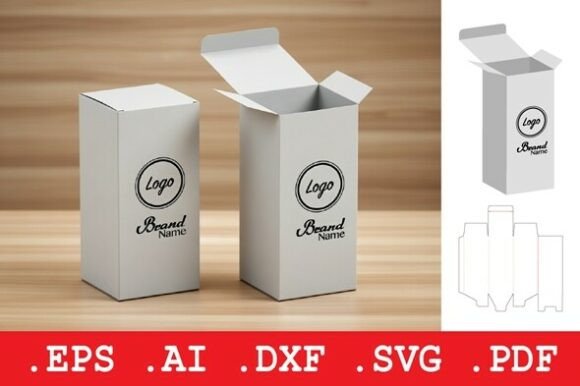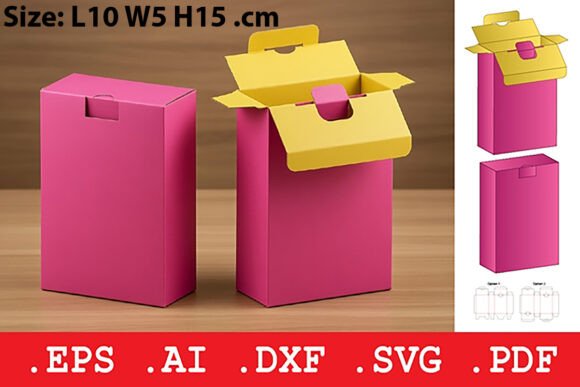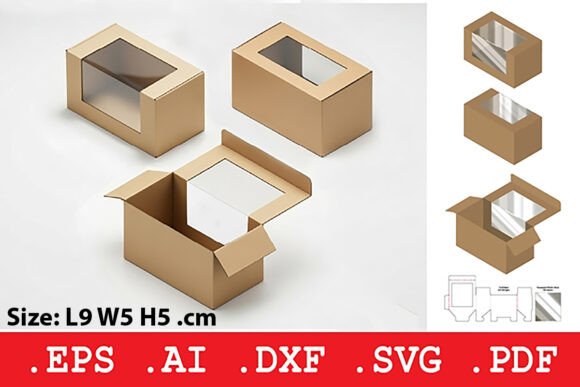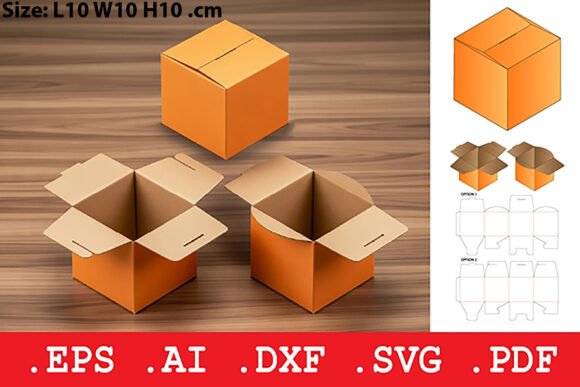
Rectangular Angled Tuck Top Box Review
As a designer who bridges the gap between digital assets and tangible handmade goods, I approach every new file with a specific question: will this actually elevate my finished product, or is it just another pretty picture on a screen? When evaluating the Rectangular Angled Tuck Top Box, my perspective shifts from pure aesthetics to structural utility. While this asset is categorized under Objects and formatted as a 3D SVG, its true value for embroidery designers and small business owners lies in its potential as a packaging template that complements high-end stitched goods.
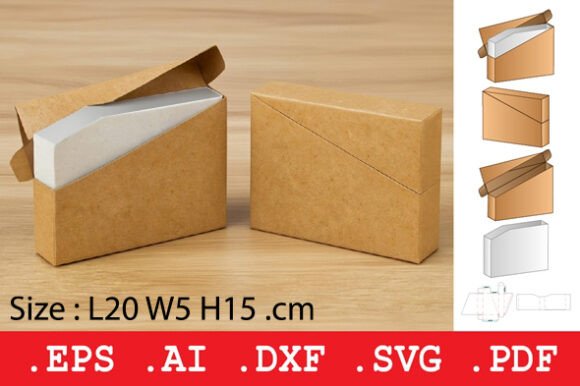
My first impression of this design was one of clean, architectural precision. The diagonal tuck top lid offers a visual break from standard retail packaging, suggesting a level of intentionality that matches the effort put into custom embroidery. For those of us running an Etsy shop or a boutique craft business, packaging is not an afterthought; it is the final stitch in the customer experience. This template feels modern yet functional, optimized specifically for 180-350 gsm paper. This weight specification is crucial because it tells me immediately that this box is designed to hold substantial items without collapsing, making it ideal for presenting heavier embroidered goods rather than flimsy trinkets.
Real-World Application: Elevating the Unboxing Experience
To truly test the viability of the Rectangular Angled Tuck Top Box, I mentally applied it to a recent client project involving premium embroidered patches and personalized gift sets. In this scenario, the product wasn't just the patch itself, but the presentation. Standard poly mailers often diminish the perceived value of a handmade product. By utilizing this angled tuck design, the unboxing becomes a tactile event.
The unique diagonal lid creates a natural reveal moment. When a customer receives a custom apparel item or a set of holiday embroidery gifts in this packaging, the geometry of the box signals professionalism before they even see the stitches. I found that this specific shape pairs exceptionally well with structured items like caps, folded tea towels, or dense applique designs. The matching inner sleeve mentioned in the product description is a standout feature for real-world use. It adds necessary rigidity, ensuring that when the box is shipped, the contents remain pristine. For a small shop product, this internal support prevents the "crushed box" syndrome that plagues so many independent sellers during transit.
Material Considerations and Fabric Pairings
While this is a packaging template, an experienced embroidery designer knows that the container must harmonize with the textile inside. The Rectangular Angled Tuck Top Box has a distinct visual personality that demands specific fabric pairings to maintain brand consistency. Because the lines are sharp and angular, I recommend pairing this packaging with embroidery projects that share similar geometric clarity or refined minimalism.
For example, if you are creating sweatshirt embroidery with bold, blocky typography or satin stitch borders, this box reinforces that aesthetic. Conversely, if your work involves soft, organic floral fill stitches or delicate baby embroidery on stretchy knits, the rigid angles of this box might create a jarring contrast unless softened with tissue paper or ribbon. The 180-350 gsm paper optimization means the surface is smooth enough for printing logos or branding elements directly onto the box, which is essential for commercial embroidery businesses looking to scale their identity. However, be mindful that textured fabrics like linen or boucle may require additional cushioning inside this sleek template to prevent snagging against the paper edges during insertion.
Where to Exercise Caution in Production
No design asset is universal, and practical judgment requires acknowledging limitations. When integrating the Rectangular Angled Tuck Top Box into your workflow, consider the physical constraints of your embroidery project. This box format excels with flat or semi-flat items. It is less forgiving for bulky, three-dimensional stuffed toys or heavily padded nursery decor that exceeds the internal volume defined by the inner sleeve.
Additionally, while the digital embroidery file for your stitched product might be flawless, the transition to physical packaging introduces new variables. If you are selling digital product previews or printable mockups featuring this box, ensure your lighting captures the diagonal angle correctly; shadows can obscure the unique lid mechanism in photos. For makers producing physical goods, verify that your chosen paper stock within the 180-350 gsm range folds cleanly without cracking at the score lines. Darker cardstocks in this weight class can sometimes show white cores at the fold, which detracts from the premium feel. Always prototype with your specific paper supplier before committing to a bulk run for your craft business.
Designer Notes for Professional Execution
Before adding this template to your production line or listing it as part of a bundled design asset package, run through these practical checks to ensure quality control:
- Verify Paper Compatibility: Confirm your local print shop or supplier stocks paper within the 180-350 gsm range that scores well. Test fold integrity before mass production.
- Mockup Testing: Create a printable mockup to visualize how your logo or brand colors interact with the diagonal lid. Ensure text does not fall into the tuck crease.
- Content Fit Check: Measure your finished embroidered products, including any backing or stabilizer bulk, against the assembled box dimensions. Do not assume fit based on screen visuals.
- Licensing Review: If you plan to sell the packaged product commercially or include this template in digital bundles, strictly confirm the licensing terms. Ensure you have rights for both personal and commercial embroidery project usage.
- Brand Alignment: Compare the box aesthetic against your current thread colors and fabric texture choices. The packaging should feel like an extension of the stitch work, not a separate entity.
- Shipping Durability: Test the inner sleeve’s protective capability by simulating transit vibrations. Ensure delicate satin stitch details or metallic threads won’t rub against the raw paper interior.
Impact on Perceived Value and Customer Trust
Ultimately, the Rectangular Angled Tuck Top Box serves as a silent ambassador for your embroidery business. In a marketplace saturated with generic packaging, this template offers a distinctive silhouette that enhances buyer engagement. When a customer receives a personalized gift or a piece of custom apparel in packaging that clearly required thought and assembly, their trust in the quality of the stitching increases proportionally.
For Etsy sellers and creative entrepreneurs, this level of detail separates hobbyist output from professional merchandise. The structural support provided by the inner sleeve protects your hard work, while the angled top provides the "wow" factor needed for social media unboxing videos. Whether you are using this to house high-margin boutique products or simply want to upgrade your holiday embroidery presentation, this design asset delivers functional elegance. Just remember to treat the packaging design process with the same rigor you apply to hooping, stabilizing, and digitizing. When executed correctly, the Rectangular Angled Tuck Top Box transforms a simple transaction into a memorable brand experience, validating the premium nature of your handmade goods.