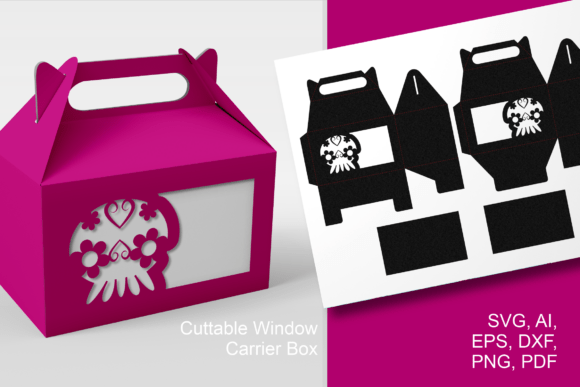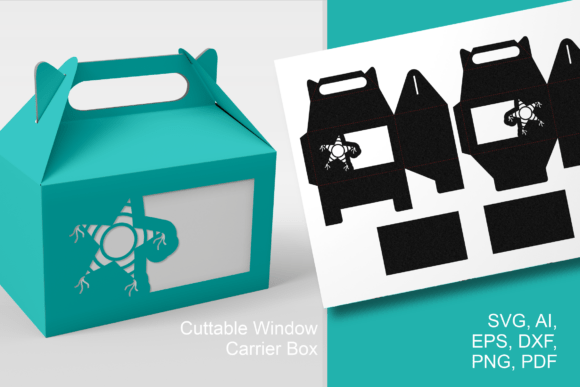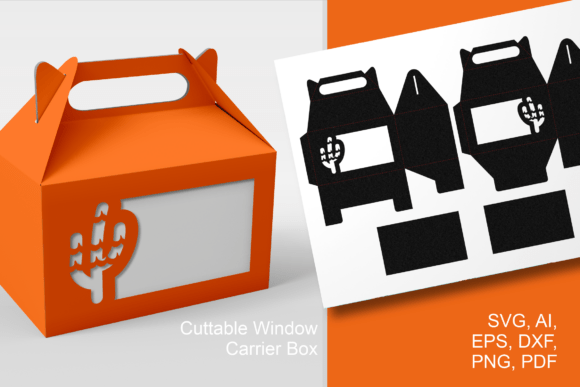
Pinata Wide Window Gable Box SVG Review
As a designer who constantly bridges the gap between digital files and tangible, stitched goods, I approach every new asset with a critical eye. When I first opened the Pinata Wide Window - Gable Favor Box SVG, I wasn't just looking at a vector file; I was mentally simulating how this 3D SVG would translate into a physical embroidery project. While this is technically a paper-cut template designed for gable favor boxes, my mind immediately went to texture, dimension, and how that festive pinata silhouette could inspire a unique machine embroidery design for holiday merchandise. For fellow Etsy sellers, craft business owners, and makers, understanding the crossover potential of such assets is vital for creating cohesive product lines.
First Impressions: Festive Geometry and Structural Integrity
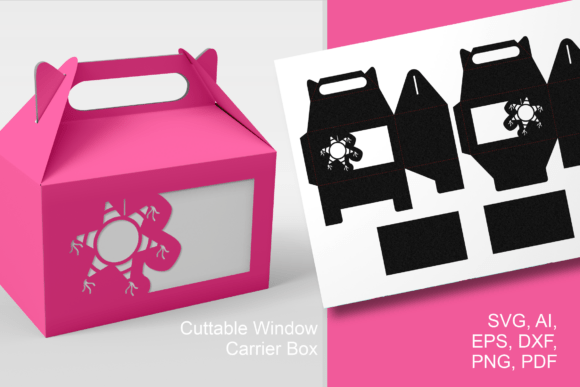
The immediate mood of the Pinata Wide Window - Gable Favor Box SVG is celebratory yet structured. Unlike loose, organic holiday clip art, this design relies on precise geometry. The "wide window" cutout creates a natural frame, which is a goldmine for embroidery digitizers. Visually, it feels balanced. The negative space where the pinata sits isn't just empty; it is an active design element. For a handmade product, this balance is crucial. If you are planning to adapt this aesthetic for custom apparel or embroidered patches, the clean lines suggest that the resulting stitch work will be crisp rather than muddy.
I can easily envision this translating into a multi-layer applique design. The outer box structure could serve as a sturdy border using a satin stitch, while the inner pinata motif offers a perfect opportunity for textured fill stitches. As a digital embroidery file adaptation, it avoids the common pitfall of overly complex details that get lost in thread. It respects the medium. However, because it originates as a paper template, one must be mindful that paper cuts rely on bridges to hold pieces together, whereas embroidery relies on fabric stability. This distinction changes how we should approach the actual stitching process.
Real-World Application: Stitching for Holiday Markets
Let’s talk about a real-life scenario. Imagine preparing inventory for a winter holiday market where customers are looking for personalized gifts with high perceived value. I recently worked on a line of boutique packaging and matching textile goods where visual consistency was key. Using the Pinata Wide Window - Gable Favor Box SVG as the foundational shape, I developed a complementary tote bag design. The goal was to create a unboxing experience where the packaging and the reusable bag felt like part of the same brand story.
In this context, the design performed exceptionally well as a guide for placement. On a canvas tote bag, the wide window concept allowed me to embroider a central motif that didn't overwhelm the fabric. Because the original SVG is intended for 3D construction, the proportions are inherently architectural. This helped prevent the "floating logo" syndrome often seen in commercial embroidery. Instead, the design felt anchored. For sweatshirt embroidery or baby embroidery, this structural awareness ensures the artwork complements the garment's seams and folds rather than fighting against them. Customers responded positively to the intentionality; it looked like a professional brand asset, not an afterthought.
Navigating Fabric Variables and Hoop Constraints
While the Pinata Wide Window - Gable Favor Box SVG is visually versatile, practical execution requires caution. Not all fabrics play nicely with geometric precision. If you are adapting this for stretchy knits or performance wear, the rigid lines of the gable box shape can distort if your stabilizer choice is inadequate. I always recommend testing on scrap fabric first. A cutaway stabilizer is usually necessary to maintain the sharp corners of the window frame during high-speed stitching.
Hoop size is another critical factor. The "wide" aspect of the window implies horizontal span. Before committing to a production run of holiday embroidery items, confirm that your hoop size accommodates the full width without requiring excessive re-hooping, which introduces alignment risks. On textured fabrics like terry cloth or fleece, the fine details of the pinata cutout might get swallowed. In these cases, you may need to increase stitch density or add a topping stabilizer to ensure the running stitch outlines remain visible. Conversely, on thin fabrics like lawn or voile, dense satin stitch borders derived from this template could cause puckering. Always match the design weight to the fabric substrate.
Elevating Product Value Through Design Cohesion
For small shop products and Etsy listings, buyer engagement often hinges on presentation. The Pinata Wide Window - Gable Favor Box SVG offers a distinct advantage here: it serves as both a product and a prop. When photographing finished embroidered goods, using the actual paper box (cut from the same SVG) as staging creates a powerful visual link. It tells the customer that you have curated a complete experience.
This level of cohesion builds trust. When a buyer sees that your printable mockups, digital product previews, and physical samples all share the same geometric language, it signals professionalism. It transforms a simple embroidered patch or tea towel into a collectible item. Furthermore, because this design falls under the Holidays category, it taps into seasonal urgency without being cliché. The abstract nature of the pinata window allows it to work across various celebrations, extending its shelf life beyond a single event. This versatility is essential for maintaining cash flow between major holidays.
Designer Notes: Technical Checks Before You Stitch
Before you load this file into your software or send it to production, run through this practical checklist. These steps save time, thread, and frustration:
- Verify Licensing: Since this is a digital asset, double-check whether your license permits commercial use for finished physical products versus digital redistribution. Never assume.
- Contrast Testing: View the design in black and white before assigning thread colors. If the pinata shape disappears against the box background in grayscale, your color contrast in thread will likely fail too.
- Density Audit: If converting this SVG to an embroidery file manually, check the stitch density at the corners. Paper templates have sharp angles; embroidery needs slight rounding or reinforcement to prevent needle breaks and fabric tears.
- Mockup Validation: Use printable mockups to test scale. What looks good on a 15-inch screen might be too large for a baby bib or too small for an apron. Adjust dimensions relative to the specific blank.
- Washability Check: If this is for kitchen towels or baby clothes, remember that intricate cutout-style designs can trap lint. Consider a simpler fill stitch over complex tatami patterns for items requiring frequent laundering.
- File Compatibility: Ensure the SVG nodes are clean. Jagged vectors result in jagged stitch paths. Smooth out any bezier curves in your vector software before digitizing.
Final Thoughts on Creative Adaptation
The Pinata Wide Window - Gable Favor Box SVG is more than just a packaging template; it is a blueprint for dimensional creativity. Whether you are creating a custom apparel line, designing nursery decor, or simply looking for a fresh take on holiday embroidery, this asset provides a solid structural foundation. Success lies in respecting the differences between paper and thread. By treating the SVG as a guide rather than a rigid rule, and by rigorously testing your materials and stabilizers, you can produce handmade products that stand out in a crowded marketplace. Remember, the best embroidery projects are those where the digital design and the physical execution feel inevitable, as if they were always meant to exist together.